Packaging War in Modern Markets: Why Fast-Moving Brands Should Never Ignore Silent Competitors
The New Era Of Product Packaging Design Trends
In today’s retail world, packaging design is no longer just about
appearance. It is about survival.
Every shelf has become a battlefield. With supermarkets packed
with hundreds of products per category, brands are competing for just a few
seconds of consumer attention. No matter how excellent a product is internally,
if its packaging fails to communicate instantly, customers will pass it by.
At Rainbowgraph, we believe packaging design has entered a new
phase where communication speed, emotional storytelling, shelf visibility, and
strategic branding define market success. In this modern packaging war, leaders
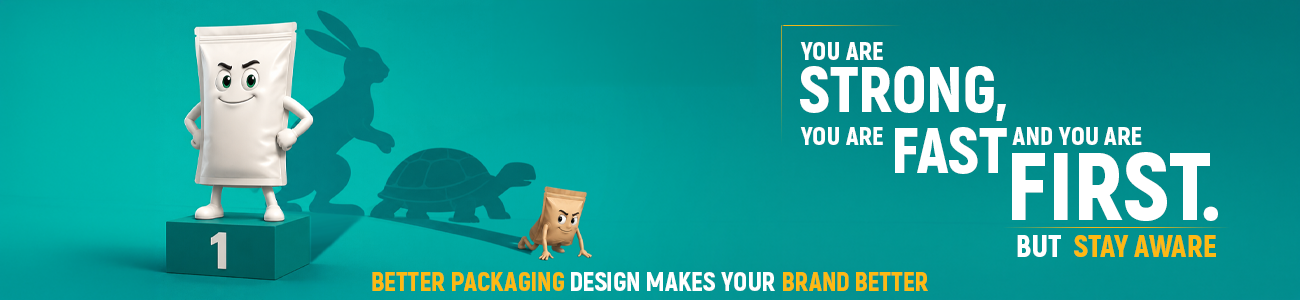
must face a dangerous reality: you may be strong, fast, and first in the
market, but somewhere, a silent competitor is strategically preparing to
overtake you.
Packaging Is No Longer Just Packaging
A few years ago, packaging was treated primarily as a protective
layer to contain a product, display basic details, and offer transport
convenience. Today, modern markets have transformed packaging into a powerful
business weapon. It functions as:
·
A marketing and communication system
·
A brand identity asset and shelf-impact weapon
·
A storytelling medium and social media visual
·
A consumer experience trigger
Packaging creates the very first relationship between a customer
and a brand, and that relationship forms within seconds. Consumers react
emotionally to colour, typography,
visual hierarchy, and material finish before they ever read the actual product
details.
The Rise of “Packaging Communication”
Beautiful packaging alone is no longer enough. One of the biggest
trends shaping the industry is communicative
packaging design that speaks instantly.
Modern consumers want clarity over confusion. They need packaging
to immediately answer: What is
this product? Why is it different? Why should I trust it? How does it fit my
lifestyle?
To answer these questions quickly, trends are shifting away from
decorative clutter toward strategic simplicity: minimal layouts, bold
typography, clear hierarchy, and fast readability. The brands that communicate
the fastest win the shelf.
Why Silent Competitors Are Becoming Dangerous
Established brands often fall into the trap of overconfidence,
relying on their distribution networks, retail dominance, and existing customer
trust.
Meanwhile, emerging challenger brands are quietly studying the
market. They identify packaging weaknesses, outdated design systems, and
shelf-visibility gaps in market leaders. Then, they launch smarter packaging.
These silent competitors are growing rapidly in the food and
consumer goods industries because their packaging feels fresh, authentic,
relatable, and Instagram-friendly.
The Shift Toward Emotional Packaging Design
Modern consumers do not connect deeply with generic, corporate
packaging; they connect with personality. This has made emotional storytelling
one of the strongest trends in design.
Brands are increasingly using unique mascots, expressive humanized
packaging, and character-driven branding. Because humans naturally respond to
emotion, a package with attitude, humour, or playfulness becomes instantly
memorable. Packaging is now highly psychological it no longer just shows a
product; it creates a feeling:
·
Bold
typography
communicates confidence.
·
A
playful character communicates energy.
·
A
premium matte finish communicates luxury.
·
A
minimalist layout communicates sophistication.
5 Trends Dominating the Food Packaging Industry
The food industry is evolving faster than ever. Five major trends
are driving successful brands today:
1. Strategic Minimalism
Consumers are overwhelmed with information. Modern packaging uses
cleaner layouts, high colour contrast, and simple messaging to maximize shelf
visibility. Minimal design doesn't mean boring; it means focused.
2. Typography as the Hero
Fonts are no longer just for reading; they are central to brand
personality. Large, bold, custom typography creates instant shelf impact,
faster readability, and stronger brand recall.
3. Authentic Product Visualization
Trust is paramount. Instead of highly doctored, unrealistic
imagery, packaging trends now lean toward honest food photography, raw
ingredient storytelling, and transparency that builds immediate consumer trust.
4. Designed for Social Media
Packaging is no longer built only for physical shelves; it is
built for the digital world. Brands now design assets to look stunning in
unboxing videos, Instagram reels, influencer content, and e-commerce
thumbnails. Packaging has become content.
5. Illustration-Driven Branding
Custom illustrations are growing rapidly across snacks, beverages,
and organic foods. They break away from corporate repetition, making brands
feel more human, artistic, and unique.
The Psychology of Shelf Dominance
Because consumers make emotional buying choices before rational
ones, successful packaging leverages deep psychological triggers:
·
Colour
Psychology:
Red creates urgency and appetite; green communicates health; black signals
premium quality; yellow drives energy; blue builds trust.
·
Visual
Hierarchy:
Smart design guides the eye strategically prioritizing brand recognition first,
product identification second, and key benefits third.
·
Emotional
Positioning: The visual theme must align perfectly with the target audience's
lifestyle, creating an immediate sense of identity.
Why Established Brands Must Keep Evolving
The biggest mistake a successful brand can make is assuming
today's market position guarantees tomorrow's relevance. Consumer behaviours
and aesthetic standards change. What looked modern five years ago often looks
dated today.
Markets reward relevance, not history. If a newer competitor
communicates more effectively on the shelf, consumers will notice. Leaders must
continuously refresh their packaging systems, typography standards, and colour
palettes to keep the silent opponent at bay.
A Strategic Business Investment, Not an Expense
Modern businesses understand that packaging is a long-term
investment in brand equity. A well-designed package continues working for you
every single day in stores, on kitchen counters, on Instagram, and in
word-of-mouth recommendations. It directly drives purchase conversions, retail
performance, and long-term customer loyalty.
Final Thoughts: Stay Fast, Stay Aware
The future of retail belongs to the smartest communicators. To
stay ahead, brands must adapt quickly, design strategically, and connect
emotionally.
You may already be strong, fast, and first. But staying ahead
requires constant awareness. Somewhere, a silent competitor is evolving.
At Rainbowgraph, we believe packaging should do more than protect
your product. It should communicate, differentiate, compete, and connect. In
today's market, packaging is a business weapon and the brands that use it
strategically will define the future of retail.
About Rainbowgraph
Rainbowgraph is a creative packaging and branding studio
specializing in food packaging design, product photography, label systems, and
strategic visual storytelling. We help brands build stronger shelf impact,
modern market relevance, and emotionally engaging packaging communication
systems that stand out and compete smarter in modern retail environments.